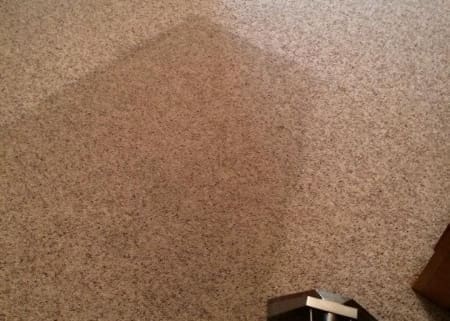
Commercial Carpet Cleaning
Commercial Carpet Cleaning: What Polk County Businesses Need to Know
As a Polk County business owner, you understand that first impressions matter. When clients, customers, or employees walk into your establishment, one of the first things they notice – consciously or not – is your flooring. Clean, well-maintained carpets not only create a professional appearance but also contribute to a healthier work environment and protect your flooring investment.
At Frogs Floor Care, we’ve been providing professional carpet cleaning services to Tampa Bay and Central Florida businesses since 1992. Our experience has taught us that commercial carpet cleaning has unique requirements compared to residential services. This guide will help Polk County business owners understand the value, process, and return on investment of professional commercial carpet maintenance.
The Importance of Commercial Carpet Cleaning for Polk County Businesses
The Hidden Costs of Neglected Commercial Carpets
Commercial spaces in Lakeland FL and throughout Polk County face unique challenges when it comes to carpet maintenance:
- High-traffic wear patterns that can make your business look dated and unprofessional
- Accumulated dirt and debris that can actually damage carpet fibers, leading to premature replacement
- Allergens and bacteria that affect indoor air quality and employee health
- Stubborn stains from coffee spills, food, and everyday business activities
- Florida’s humidity which can create ideal conditions for mold and mildew growth
The cost of neglecting regular professional cleaning goes beyond just appearances. According to industry studies, properly maintained commercial carpets can last 50-100% longer than those that receive only sporadic attention. For Polk County businesses, this translates to significant savings on replacement costs.
The Business Benefits of Professional Carpet Cleaning
Regular commercial carpet cleaning provides multiple benefits that directly impact your bottom line:
- Enhanced Professional Image: Clean carpets signal to clients that you pay attention to details and maintain high standards of cleanliness
- Extended Carpet Life: Professional cleaning removes abrasive particles that wear down carpet fibers
- Healthier Work Environment: Removes allergens, bacteria, and contaminants that affect indoor air quality
- Improved Employee Productivity: Studies show cleaner environments lead to higher employee satisfaction and reduced sick days
- Compliance with Facility Standards: Many industries have cleanliness requirements that professional cleaning helps meet
As Geoffrey Odermatt, owner of Frogs Floor Care and a Tampa native with over 20 years of experience explains, “Commercial carpet cleaning isn’t just about appearances – it’s about protecting your investment and creating a healthier space for everyone who walks through your doors.”
Commercial vs. Residential Carpet Cleaning: Understanding the Difference
Many Polk County business owners initially attempt to treat commercial carpet cleaning the same way they would approach residential cleaning. However, there are significant differences that require specialized approaches:
| Commercial Carpeting | Residential Carpeting |
|---|---|
| Lower pile height designed for durability | Higher pile for comfort and aesthetics |
| Industrial-grade backing and materials | Residential-grade materials |
| Glue-down installation in many cases | Stretch installation with padding |
| Higher soil load from increased foot traffic | Lower soil load from family use |
| Often requires after-hours scheduling | Flexible scheduling options |
| May need specialized cleaning equipment for large areas | Standard equipment typically sufficient |
The Commercial Carpet Cleaning Process
When you work with a professional carpet cleaner like Frogs Floor Care, you can expect a systematic cleaning process that addresses the unique needs of your business space:
- Initial Assessment: Evaluation of carpet type, soiling level, and specific problem areas
- Pre-Treatment: Application of specialized cleaning solutions to break down soils and stains
- Agitation: Mechanical action to loosen embedded dirt
- Hot Water Extraction: Also known as “steam cleaning,” this method removes dirt, cleaning solutions, and moisture
- Optional Treatments: Stain protection, deodorizing, or sanitizing as needed
- Drying: Industrial air movers to speed drying time and minimize business disruption
Our technicians are certified in various cleaning methods including hot water extraction (HWE), very low moisture (VLM), and encapsulation cleaning. This allows us to tailor our approach to your specific carpet type and business needs.
How Often Should Polk County Businesses Clean Their Carpets?
The frequency of commercial carpet cleaning depends on several factors specific to your Polk County business:
Recommended Commercial Carpet Cleaning Schedule
| Business Type | Foot Traffic Level | Recommended Cleaning Frequency |
|---|---|---|
| Retail Stores | Very High | Deep clean every 3-4 months |
| Offices | Moderate | Deep clean every 6 months |
| Medical Facilities | High | Deep clean every 3 months with monthly maintenance |
| Restaurants | Very High | Deep clean every 2-3 months |
| Schools | High | Deep clean during breaks (summer, winter, spring) |
Florida’s climate presents additional considerations for Polk County businesses. Our higher humidity levels and year-round warmth can accelerate soil buildup and create conditions for mold growth. This often necessitates more frequent cleaning than might be required in drier, cooler regions.
Our Commercial Carpet Cleaning Services in Lakeland
At Frogs Floor Care, we offer comprehensive commercial carpet cleaning services tailored to the unique needs of businesses in Lakeland FL and throughout the Polk County area. Our services include:
Deep Clean Services for High-Traffic Areas
Our deep clean service is ideal for areas with heavy foot traffic that accumulate significant soil and stains. Using our proprietary cleaning equipment and professional-grade cleaning products, we can restore even the most heavily soiled carpets to a like-new condition.
Routine Maintenance Programs
We offer customized maintenance programs to keep your carpets looking their best year-round. Regular cleaning extends the life of your carpets and maintains a professional appearance for your customers and employees.
Stain Removal and Spot Treatment
Our cleaning experts are trained in advanced cleaning techniques for removing stubborn stains from commercial carpets. From coffee spills to ink marks, we have the cleaning solutions and expertise to tackle even the toughest stains.
Odor Removal Services
Our cleaning and odor removal services eliminate unpleasant smells at their source rather than simply masking them. This is particularly important for restaurants, medical facilities, and businesses where cleanliness is paramount.
Beyond Carpet: Comprehensive Floor Care for Commercial Spaces
While carpet cleaning is our specialty, Frogs Floor Care offers a complete range of floor cleaning services for commercial customers in Polk County:
Tile and Grout Cleaning
Our tile and grout cleaning service removes built-up dirt and grime from tile surfaces and grout lines. This service is ideal for commercial kitchens, bathrooms, and lobbies with tile flooring.
Hardwood Floor Cleaning
Our hardwood floor cleaning service gently removes dirt and grime without damaging the finish. We use specialized cleaning methods designed specifically for hardwood floors in commercial spaces.
Upholstery Cleaning
In addition to floor cleaning, we offer professional upholstery cleaning for office furniture, waiting room seating, and other fabric surfaces. Our upholstery cleaning process removes dirt, stains, and allergens to create a cleaner, healthier environment.
Area Rug Cleaning
We provide specialized rug cleaning services for decorative area rugs in your commercial space. Our cleaning system is gentle yet effective, preserving the beauty and extending the life of your investment.
Choosing the Right Commercial Carpet Cleaning Method
Not all commercial carpet cleaning methods are created equal. The right approach depends on your business type, carpet construction, and operational needs:
Hot Water Extraction (Steam Cleaning)
This deep cleaning method uses hot water and cleaning agents injected into the carpet under pressure, then extracted along with dissolved dirt. It’s highly effective for periodic deep cleaning but requires longer drying times.
Best for: Annual or semi-annual deep cleaning, heavily soiled areas, and most commercial carpet types.
Very Low Moisture (VLM) Cleaning
This approach uses specialized equipment and minimal moisture to clean carpets. The primary advantage is significantly reduced drying time – often just 30 minutes to 2 hours.
Best for: Businesses that cannot tolerate extended downtime, maintenance cleaning between deep cleanings, and moisture-sensitive environments.
Encapsulation Cleaning
This method uses crystallizing polymers that encapsulate soil particles, which are then removed through vacuuming. It uses less water than hot water extraction and provides faster drying times.
Best for: Interim maintenance between deep cleanings, high-traffic areas that need frequent attention, and businesses requiring minimal disruption.
At Frogs Floor Care, we’re skilled in all these cleaning methods and can recommend the best approach based on your specific business needs and carpet type. As we often tell our Polk County clients, “Each cleaning situation is unique, so we tailor our methods to achieve the best possible results.”
The ROI of Professional Commercial Carpet Cleaning
For business owners in Lakeland and throughout Polk County, professional carpet cleaning should be viewed as an investment rather than an expense. Consider these financial benefits:
Extended Carpet Lifespan
Commercial carpet typically costs $2-$5 per square foot for materials and installation. A 2,000 square foot office represents a $4,000-$10,000 investment. Regular professional cleaning can extend the life of your carpets by 5-7 years, saving thousands in replacement costs.
Improved Business Reputation
Customer perception studies show that facility cleanliness ranks among the top factors influencing consumer confidence. Clean carpets contribute significantly to overall facility appearance, potentially increasing customer retention and referrals.
Reduced Employee Sick Days
Indoor air quality directly impacts employee health. Professional carpet cleaning removes allergens, bacteria, and pollutants that can contribute to respiratory issues and illnesses, potentially reducing absenteeism.
Simplified Maintenance
Regular professional cleaning makes daily maintenance easier and more effective, reducing the burden on your staff and extending the time between required professional services.
Comparing Professional Cleaning vs. DIY Approaches
Many businesses attempt to save money by handling carpet cleaning in-house. While this may seem cost-effective initially, there are significant differences in results:
| Professional Carpet Cleaning | DIY Carpet Cleaning |
|---|---|
| Commercial-grade equipment with powerful extraction | Consumer-grade rental machines with limited capabilities |
| Professional cleaning solutions formulated for specific stains and soil types | Generic cleaning products that may damage carpet fibers |
| Trained technicians who understand different carpet types | Staff without specialized knowledge of carpet care |
| Thorough cleaning that reaches deep into carpet backing | Surface-level cleaning that leaves behind embedded dirt |
| Proper moisture control and drying techniques | Risk of over-wetting leading to mold and mildew |
| Environmentally friendly cleaning options available | Limited access to green cleaning products |
While the upfront cleaning costs of professional services may be higher than DIY approaches, the long-term value is clear when considering the extended life of your carpets and the superior cleaning results.
Why Polk County Businesses Trust Frogs Floor Care
Since 1992, Frogs Floor Care has been the trusted choice for commercial carpet cleaning throughout Tampa Bay and Central Florida. Our approach to commercial customers reflects our core values:
- Experience: Over 30 years serving Polk County businesses
- Expertise: Certified technicians trained in commercial-specific cleaning methods
- Reliability: Dependable scheduling that works around your business hours
- Results: Thorough cleaning that enhances your professional image
- Safety: Kid and pet-friendly cleaning solutions that protect your children and pets, employees and customers
As a locally owned and operated company, we understand the unique challenges Polk County businesses face – from the effects of Florida’s climate on carpeting to the specific needs of our local industries.
Our Complete Commercial Cleaning Services
Beyond carpet cleaning, Frogs Floor Care offers a comprehensive suite of services for Polk County businesses:
Upholstery Cleaning
Our upholstery cleaning service extends to office chairs, waiting room furniture, cubicle partitions, and other fabric surfaces. We use specialized cleaning methods appropriate for different fabric types, ensuring safe and effective cleaning.
Tile and Grout Cleaning
Our tile and grout cleaning service removes built-up dirt, grime, and bacteria from tile surfaces and grout lines. This is particularly important for commercial bathrooms, kitchens, and entryways where tile flooring is common.
Hardwood Floor Cleaning
For businesses with hardwood floors, our specialized cleaning system removes dirt and grime without damaging the finish. Regular professional cleaning helps maintain the beauty and extend the life of your hardwood floors.
Duct Cleaning
Our duct cleaning service improves indoor air quality by removing dust, allergens, and other contaminants from your HVAC system. This service is particularly valuable for businesses in Lakeland FL and the Polk County area where air conditioning runs nearly year-round.
Take the Next Step for Your Business
Don’t wait until your commercial carpets show visible signs of wear and soil. Preventative maintenance is far more cost-effective than premature replacement or emergency cleaning before important client meetings.
Contact Frogs Floor Care today at 863-430-1030 for a free commercial carpet cleaning assessment and quote. Our team of professional cleaners will evaluate your specific cleaning needs and recommend a maintenance program that protects your investment while enhancing your business image.
As a Polk County business owner, you have enough to worry about – let our cleaning team take care of keeping your carpets clean, professional, and lasting for years to come.
Commercial Carpet Cleaning Services We Offer
Our commercial carpet cleaning services in Lakeland FL and throughout Polk County include:
- Regular Maintenance Programs: Customized cleaning schedules to keep your carpets looking their best
- Deep Cleaning Services: For heavily soiled areas or periodic thorough cleaning
- Spot Cleaning and Stain Removal: Targeted treatment for spills and stains
- Odor Removal: Elimination of unpleasant odors at their source
- Carpet Protection: Application of protective treatments to resist future staining
- Emergency Cleaning Services: Rapid response for unexpected situations
Whether you need one-time cleaning for a special event or ongoing maintenance for your business, our carpet cleaning service in Lakeland can meet your needs with professional results and exceptional customer service.
Contact Us for Professional Commercial Carpet Cleaning
Ready to experience the difference professional carpet cleaning can make for your business? Contact us today to schedule a consultation or request a quote for your commercial carpet cleaning needs.
Phone: 863-430-1030 (Lakeland) or 813-960-3764 (Tampa Bay)
Our team is ready to help you create a clean and healthy environment for your customers and employees.

Understanding Carpet Cleaning Certification
The Hidden Value of Professional Certifications
When it comes to maintaining your home’s carpets, the difference between amateur and professional results often comes down to one critical factor: certification. At Frogs Floor Care, we’ve been serving the Tampa Bay and Central Florida region since 1992, and we’ve seen firsthand how proper training and certification translate to superior cleaning results that protect your investment.
But what exactly does carpet cleaning certification mean for Lakeland homeowners? Why should you care about hiring certified technicians, and how does it impact the cleanliness, health, and longevity of your carpets? This comprehensive guide will answer these questions and more, helping you make informed decisions about your home’s carpet care.
What Is Carpet Cleaning Certification?
Carpet cleaning certification represents a professional’s commitment to industry standards, specialized training, and ethical business practices. Unlike many home service industries, carpet cleaning doesn’t always require mandatory licensing in Florida. This means the difference between a properly trained professional and someone with minimal knowledge can be significant.
The most recognized certification in the industry comes from the Institute of Inspection, Cleaning and Restoration Certification (IICRC). This non-profit organization sets the standards for carpet cleaning professionals and provides education on proper cleaning techniques, equipment usage, and carpet material identification.
The IICRC Certification Process
To become an IICRC certified carpet cleaning technician (CCT), professionals must:
- Complete an IICRC approved course taught by an authorized instructor
- Master both theoretical knowledge and practical cleaning techniques
- Pass a comprehensive examination covering cleaning chemistry, carpet materials, and proper procedures
- Commit to the IICRC Code of Ethics for cleaning professionals
- Maintain their certification through continuing education
These certification courses aren’t just quick online classes. The CCT course typically involves in-person instruction at an approved facility with hands-on training. Technicians learn how to properly clean various carpet materials, handle different soil types, and troubleshoot common cleaning challenges.
IICRC certified technicians are trained in:
- Carpet construction and fiber identification
- Chemistry of cleaning agents
- Proper equipment operation
- Stain removal techniques
- Water damage restoration
- Applied microbial remediation
- Health and safety protocols
- Environmental considerations
These certifications require ongoing education and renewal, ensuring technicians stay current with the latest industry developments and cleaning techniques.
Why Certification Matters for Lakeland Homeowners
Florida’s Unique Carpet Cleaning Challenges
Living in Lakeland and the broader Central Florida region presents specific challenges for carpet maintenance:
- High Humidity: Florida’s humidity creates ideal conditions for mold and mildew growth in carpets
- Year-Round Heat: Warmer temperatures accelerate bacterial growth in carpet fibers
- Sandy Soil: Tracked-in sand causes abrasive damage to carpet fibers
- Frequent Storms: Water intrusion risks during hurricane season can lead to carpet damage
IICRC certified carpet cleaners understand these regional challenges and are trained to address them with appropriate techniques and solutions. They know which cleaning methods work best for our specific climate conditions and how to prevent humidity-related issues from damaging your carpets.
Protecting Your Investment
Quality carpeting represents a significant investment in your home. The average Lakeland homeowner spends thousands of dollars on carpet installation, making proper maintenance essential for protecting this investment.
Certified carpet cleaners understand:
- How different carpet materials respond to various cleaning methods
- Which cleaning solutions are appropriate for specific carpet types
- How to clean effectively without damaging carpet backing or adhesives
- Proper drying techniques to prevent mold growth in Florida’s humid climate
As Frogs Floor Care’s carpet cleaning experts explain, “We cater our methods for each cleaning situation in order to maximize efficiency and achieve the best results possible. We are skilled in various methods such as hot water extraction (HWE) also known as ‘steam cleaning’, very low moisture (VLM) and encapsulation.”
This specialized knowledge helps extend your carpet’s lifespan, potentially saving you thousands in premature replacement costs.
Health and Safety Benefits
Beyond appearance, properly certified carpet cleaners prioritize your family’s health and safety:
- Allergen Removal: Certified technicians understand how to effectively remove allergens trapped in carpet fibers
- Safe Chemical Usage: Training includes proper dilution and application of cleaning agents
- Kid and Pet Safety: Knowledge of which products are safe for homes with children and pets
- Moisture Control: Proper training prevents over-wetting that can lead to mold growth
For Lakeland families with children, pets, or allergy sufferers, these health considerations are particularly important. Our carpet cleaning service emphasizes kid and pet-friendly cleaning solutions that effectively clean carpets without introducing harmful chemicals into your home.
Key IICRC Certifications for Carpet Cleaning Professionals
When hiring a carpet cleaning professional in Lakeland, these are the most important IICRC certifications to look for:
Core IICRC Certifications
The IICRC offers several certification courses relevant to carpet cleaning:
- Carpet Cleaning Technician (CCT): The foundational certification covering basic carpet cleaning principles, chemistry, and techniques. The CCT course teaches technicians how to identify carpet materials, select appropriate cleaning methods, and deliver consistent results.
- Commercial Carpet Maintenance Technician (CCMT): Specialized for commercial carpet care in light commercial settings, building service contractors, and high-traffic areas.
- Carpet Repair and Reinstallation Technician (RRT): For carpet repair services and proper installation techniques.
- Water Damage Restoration Technician (WRT): Critical for handling water-damaged carpets and preventing microbial growth.
- Applied Microbial Remediation Technician (AMRT): For addressing mold issues in carpets and upholstery.
- Upholstery and Fabric Cleaning Technician (UFT): Extends cleaning skills to furniture and upholstered items.
IICRC Certification Designations
As technicians complete multiple IICRC courses, they can earn special designations that demonstrate their comprehensive expertise:
- Journeyman Textile Cleaner: Requires multiple certifications and years of field experience
- Master Textile Cleaner: The highest designation for cleaning professionals, indicating mastery across multiple specialty areas
Manufacturer Certifications
Many carpet manufacturers offer their own certification programs to ensure proper care of their products:
- Mohawk: Certification for cleaning Mohawk carpet products
- Shaw: Shaw-approved cleaning methods certification
- Stainmaster: Certification for cleaning Stainmaster carpets
Chemical and Equipment Training
Reputable carpet cleaning companies also invest in training specific to the products and equipment they use:
- Green cleaning certification: For environmentally friendly cleaning methods
- Equipment-specific training: Certification on professional-grade equipment
- Specialty fabric care: Training for delicate or specialty carpet materials
At Frogs Floor Care, our technicians maintain multiple certifications through “attending various training seminars, expos and receiving class instruction to maintain certifications received through several accrediting trade associations,” as noted in our About Us page.
The Cost and Value of Certification for Cleaning Professionals
For carpet cleaning businesses, investing in IICRC certification provides significant value despite the initial course fee and ongoing education requirements:
Certification Investment
- Course Fees: The CCT course typically costs between $395-$595 depending on the facility and instructor
- Exam Fees: Additional fees apply for certification testing
- Continuing Education: Ongoing investment to maintain certification status
- Time Commitment: 2-3 days of in-person instruction plus study time
Business Benefits for Certified Cleaners
- Enhanced Credibility: Certification provides a competitive advantage in the marketplace
- Marketing Value: IICRC logos and credentials help attract quality customers
- Higher Profit Margins: Certified professionals can command premium pricing
- Reduced Liability: Proper training minimizes the risk of damage claims
- Better Business Bureau Recognition: Many BBB standards recognize IICRC certification
- Insurance Benefits: Some insurance providers offer better rates to certified companies
For carpet cleaning technicians looking to enhance their career prospects, IICRC certification opens doors to better employment opportunities, higher wages, and the potential to qualify for specialized cleaning roles.
Questions to Ask About Certification When Hiring a Carpet Cleaner
Before hiring a carpet cleaning service in Lakeland, consider asking these certification-related questions:
- What specific IICRC certifications do your technicians hold? (Look for CCT at minimum)
- How recently were these certifications renewed? (Should be within the past 2-3 years)
- Do you have certification specific to my carpet material? (Especially important for wool, specialty, or high-end carpets)
- How does your certification training address Florida’s humidity challenges? (Important for preventing mold issues)
- Can you provide proof of certification? (Reputable companies will happily share this information)
- What ongoing training do your technicians receive? (Indicates commitment to staying current with industry standards)
- Are your cleaning solutions safe for children and pets? (Certification should include knowledge of safe products)
- Does your company follow IICRC guidelines for cleaning procedures? (Ensures adherence to proper standards)
The Risks of Hiring Uncertified Carpet Cleaners
Choosing an uncertified carpet cleaner in Lakeland may save money initially, but often leads to these common problems:
Damage to Carpet Materials
Uncertified cleaners may:
- Use excessive agitation that damages carpet fibers
- Apply improper cleaning agents that cause discoloration
- Use too much moisture, leaving carpets wet for too long
- Set stains permanently through incorrect treatment methods
- Fail to properly clean different carpet materials according to their specific requirements
Health and Safety Concerns
Without proper training, uncertified cleaners might:
- Leave behind harmful chemical residues
- Fail to extract allergens and soil effectively
- Create conditions for microbial growth through improper drying
- Use toxic cleaning agents without appropriate ventilation
Ineffective Cleaning Results
Lack of certification often results in:
- Surface-level cleaning that doesn’t address deep soil
- Rapid resoiling due to residue left behind
- Stains that “mysteriously” reappear days after cleaning
- Uneven cleaning results across your carpet
As we explain in our article “Can Professional Carpet Cleaning Remove Stains?”, effective stain removal requires specialized knowledge: “Different types of stains and different carpet materials can affect the cleaning process. While professionals have a wide arsenal of cleaning solutions to address various stains, knowing the type of stain and the material of your carpet can help tailor the cleaning process for the best results.”
Voided Warranties
Many carpet manufacturers require professional cleaning by certified technicians to maintain warranty coverage. Using uncertified cleaners may void your carpet warranty, potentially costing thousands if you need to make a warranty claim.
How Certification Translates to Superior Cleaning Results
Certified carpet cleaners deliver better results through:
Customized Cleaning Approaches
Certified technicians understand that different carpets require different cleaning methods. At Frogs Floor Care, we emphasize that “each situation is unique so we tailor to each one while providing expert advice and options to achieve the best result possible.”
This might mean:
- Using low-moisture cleaning for humidity-sensitive carpets
- Applying specialized pre-treatments for specific stain types
- Adjusting water temperature based on carpet fiber type
- Selecting appropriate drying methods for Florida’s climate
Advanced Equipment Operation
Certification includes training on professional-grade equipment that delivers superior cleaning results:
- Proper pressure settings to clean deeply without damaging fibers
- Correct temperature control for effective cleaning without shrinkage
- Appropriate vacuum strength for maximum water extraction
- Precise application of cleaning agents
Scientific Understanding of Cleaning Chemistry
Certified technicians understand the science behind cleaning:
- pH balance considerations for different carpet fibers
- Chemical interactions between stains and cleaning solutions
- Proper dilution ratios for effective cleaning without residue
- Neutralization processes to prevent damage to carpet fibers
The IICRC’s Role in Setting Industry Standards
The IICRC doesn’t just certify individual technicians—it establishes the industry standards that guide professional carpet cleaning practices:
S100 Standard for Professional Carpet Cleaning
This comprehensive standard outlines:
- Proper cleaning procedures for different carpet types
- Guidelines for pre-inspection and testing
- Appropriate cleaning methods based on soil conditions
- Post-cleaning evaluation criteria
- Safety protocols for technicians and customers
Certified technicians are trained to follow these guidelines, ensuring consistent quality across the industry. When you hire an IICRC certified professional, you’re getting someone who adheres to established industry standards rather than making up their own methods.
How to Verify a Carpet Cleaner’s Certification
Before hiring a carpet cleaning service in Lakeland, take these steps to verify certification:
- Ask for certification numbers: Legitimate certifications have unique identification numbers
- Check the IICRC registry: Verify certification status through the IICRC’s online registry
- Request to see physical certificates: Professional companies keep copies of certifications
- Look for certification logos: Check their website, vehicles, and marketing materials for official certification logos
- Read reviews specifically mentioning certification: Previous customers often mention the professionalism of certified technicians
The Frogs Floor Care Certification Difference
At Frogs Floor Care, certification is central to our commitment to quality service. Since 1992, we’ve maintained rigorous training standards for our technicians, ensuring they have the knowledge and skills to address the unique carpet cleaning challenges faced by Lakeland homeowners.
Our certification advantage includes:
- Technicians certified in multiple cleaning methods
- Ongoing education to stay current with industry advancements
- Specialized training for Florida’s unique climate challenges
- Certification in kid and pet-safe cleaning solutions
- Training in water damage restoration for emergency situations
As our founder Geoffrey Odermatt emphasizes, “Industry techniques, methods and technology is ever changing and getting better so in order to stay current with these advancements Geoffrey attends various training seminars, expos and receives class instruction to maintain certifications he has received through several accrediting trade associations.”
How Certified Professionals Clean Carpets
When you hire a certified carpet cleaning technician, you can expect a systematic approach that follows IICRC guidelines:
1. Pre-Inspection and Testing
Certified technicians begin by:
- Identifying the carpet material and construction
- Testing for colorfastness and potential issues
- Noting pre-existing conditions and stains
- Developing a customized cleaning plan
2. Soil and Stain Pre-Treatment
Based on their training, technicians will:
- Apply appropriate pre-treatments for different soil types
- Use specialized solutions for specific stains
- Allow proper dwell time for chemicals to work effectively
- Address high-traffic areas with targeted treatments
3. Proper Cleaning Method Selection
Certified professionals choose the best method based on:
- Carpet material and construction
- Soil conditions and types
- Customer needs and time constraints
- Environmental considerations
Common methods include:
- Hot water extraction (steam cleaning)
- Low moisture cleaning
- Encapsulation
- Bonnet cleaning (for light commercial applications)
4. Thorough Extraction and Rinsing
Properly trained technicians:
- Use appropriate water temperature for the specific carpet
- Apply correct pressure settings
- Make methodical cleaning passes
- Ensure thorough soil removal
- Properly extract cleaning solutions
5. Post-Cleaning Treatment
Certification training includes:
- Proper grooming techniques
- Application of protectors when appropriate
- Expediting drying through air movement
- Final inspection procedures
This systematic approach demonstrates how certified technicians clean carpets more thoroughly and effectively than untrained cleaners.
Maintaining Your Carpet Between Professional Cleanings
Even with certified professional cleaning, proper maintenance between visits is essential for extending your carpet’s life:
Regular Maintenance Tips
- Vacuum at least twice weekly: Florida’s climate means more frequent vacuuming is necessary
- Address spills immediately: Blot (don’t rub) spills with a clean, white cloth
- Use entrance mats: Reduce tracked-in sand and soil that damages carpet fibers
- Control humidity: Use air conditioning or dehumidifiers to prevent moisture issues
- Schedule regular professional cleaning: Most carpet warranties require professional cleaning every 12-18 months
When to Call a Certified Professional
Contact a certified carpet cleaner when:
- Your carpet hasn’t been professionally cleaned in over a year
- You notice persistent stains or odors
- There’s visible soiling in high-traffic areas
- You’re concerned about allergens or indoor air quality
- After water intrusion events like flooding or major spills
The Certified Difference for Your Lakeland Home
Choosing a certified carpet cleaning professional is one of the most important decisions you can make for maintaining your home’s carpets. In Lakeland’s challenging climate, the specialized knowledge and skills that come with proper certification can mean the difference between carpets that last for years and those that need premature replacement.
At Frogs Floor Care, we’re proud of our certified technicians and their commitment to ongoing education and professional excellence. Our goal is to earn and maintain your trust by providing the highest quality carpet cleaning services backed by decades of experience and professional certification.
When you’re ready to experience the certified difference for your carpets, contact our team at 813-960-3764 or 863-430-1030. We’re here to help you protect your carpet investment and create a healthier, cleaner home environment for your family.

The Ultimate Guide to Removing Common Carpet Stains
Picture this: You’re hosting a gathering at your Lakeland home when someone accidentally spills red wine on your beautiful carpet. Your heart sinks as you watch the dark liquid seep into the fibers. Sound familiar? As Florida’s premier carpet cleaning experts since 1992, we’ve seen it all – and more importantly, we’ve successfully removed it all.
At Frogs Floor Care, we understand that carpet stains are more than just unsightly spots; they’re sources of stress, embarrassment, and worry about permanent damage to your investment. That’s why we’ve created this comprehensive guide to help Lakeland homeowners tackle the most common carpet stains effectively and safely.
Whether you’re dealing with a fresh spill or a set-in stain that’s been haunting your carpet for months, this guide will equip you with proven techniques and insider knowledge from our 30+ years of experience serving Central Florida families.
Understanding Carpet Stains: The Science Behind the Problem
Before diving into removal techniques, it’s crucial to understand what makes certain stains so stubborn. Carpet stains occur when foreign substances penetrate the carpet fibers and, in many cases, the underlying carpet pad. The longer a stain sits, the deeper it penetrates and the more it bonds with the fiber structure.
Why Florida’s Climate Makes Stain Removal Challenging
Living in Lakeland means dealing with unique environmental factors that affect carpet care:
- High Humidity: Florida’s moisture-rich air can cause stains to spread more quickly and penetrate deeper into carpet fibers
- Heat: Warm temperatures can accelerate the chemical bonding process between stains and carpet materials
- Sand and Soil: Our sandy soil composition creates abrasive particles that can work stains deeper into carpet backing
The Chemistry of Common Stains
Understanding stain composition helps determine the most effective removal approach:
- Protein-based stains (blood, sweat, pet accidents): Require enzyme-based treatments
- Tannin stains (wine, coffee, tea): Need acidic solutions to break down color compounds
- Oil-based stains (grease, makeup): Require degreasing agents and heat
- Combination stains (food spills): Often need multi-step treatment approaches
Essential Supplies for Carpet Stain Removal
Having the right tools readily available can mean the difference between successful stain removal and permanent carpet damage. Here’s what every Lakeland homeowner should keep on hand:
Basic Household Arsenal
- Clean white cloths or paper towels: Never use colored materials that might transfer dye
- Cold water: Hot water can set protein-based stains permanently
- White vinegar: Natural acid for tannin-based stains
- Baking soda: Excellent for odor absorption and gentle abrasion
- Dish soap: Mild degreasing properties for oil-based stains
- Hydrogen peroxide: Effective oxidizing agent for organic stains (test first!)
Professional-Grade Options
For more challenging stains, consider these safer alternatives:
- Enzyme cleaners: Specifically designed for pet accidents and protein stains
- Carpet-specific stain removers: Formulated for various carpet fiber types
- Club soda: Effective for fresh spills and carbonation helps lift stains
Safety First: Kid and Pet-Friendly Approach
At Frogs Floor Care, we prioritize the safety of your family and pets. Always:
- Test any cleaning solution in an inconspicuous area first
- Ensure adequate ventilation when using any cleaning products
- Keep children and pets away from treated areas until completely dry
- Choose non-toxic, biodegradable products when possible
Step-by-Step Stain Removal Guide by Type
Red Wine Stains: The Classic Challenge
Red wine is perhaps the most feared carpet stain, but it’s absolutely removable with the right approach:
Immediate Action (Fresh Spills):
- Blot immediately – Never rub! Use clean white cloths to absorb as much liquid as possible
- Apply cold water – Pour a small amount directly onto the stain
- Blot again – Continue absorbing the diluted wine
- Salt treatment – Cover the damp stain with table salt and let sit for 10 minutes
- Vacuum salt – Remove salt and assess remaining stain
For Set-in Wine Stains:
- Create cleaning solution – Mix 1 part white vinegar with 2 parts cold water
- Apply and blot – Work from outside edges toward center
- Rinse thoroughly – Use clean water to remove cleaning solution
- Dry completely – Use fans or open windows to accelerate drying
Coffee Stains: Morning Mishap Solutions
Coffee stains vary in difficulty based on additives like cream and sugar:
Black Coffee Spills:
- Blot excess liquid immediately
- Cold water rinse – Pour small amounts and blot repeatedly
- Vinegar solution – Apply 1:1 vinegar and water mixture
- Final rinse – Remove all cleaning residue with clean water
Coffee with Cream/Sugar:
- Blot thoroughly – Remove as much liquid as possible
- Enzyme treatment – Apply enzyme cleaner for protein components
- Wait and blot – Allow 10-15 minutes for enzyme action
- Vinegar solution – Follow up with vinegar treatment for tannins
- Thorough rinse – Ensure all cleaning products are removed
Pet Accidents: Complete Odor Elimination
Pet stains require special attention because of their complex composition and potential for recurring odor issues:
Fresh Pet Accidents:
- Remove solid matter – Use gloves and dispose of waste properly
- Blot urine thoroughly – Absorb as much liquid as possible
- Enzyme cleaner application – Saturate the area completely
- Cover and wait – Place damp cloth over area and let enzymes work for 30 minutes
- Blot and rinse – Remove cleaning solution with clean water
- Dry completely – Use fans and ensure thorough drying to prevent mold
Old Pet Stains:
- Locate all affected areas – Sometimes odors indicate hidden stains
- Saturate with enzyme cleaner – Old stains may have penetrated padding
- Extended treatment time – Allow 2-4 hours for enzyme action
- Multiple applications – May require 2-3 treatments for complete removal
- Professional assessment – Consider professional pet stain treatment for severe cases
Mud and Dirt: Florida’s Sandy Challenge
Lakeland’s unique soil composition requires specific handling techniques:
Wet Mud Removal:
- Let it dry completely – Never attempt to clean wet mud
- Vacuum thoroughly – Remove as much dried material as possible
- Work from edges – Prevent spreading to clean carpet areas
- Mild detergent solution – Use dish soap and cold water
- Rinse and extract – Remove all soap residue
Ground-in Dirt:
- Vacuum first – Remove loose particles
- Pre-treat with solution – Apply cleaning mixture and let sit
- Gentle agitation – Use soft brush in circular motions
- Extract thoroughly – Remove all cleaning solution and dirt
Food Stains: Grease, Sauce, and Organic Matter
Food stains often combine multiple stain types, requiring comprehensive treatment:
Grease-Based Food Stains:
- Remove excess material – Scrape up solids without pushing into carpet
- Absorb oils – Apply baking soda and let sit for 15 minutes
- Vacuum baking soda – Remove absorbed oils
- Dish soap treatment – Apply diluted dish soap solution
- Rinse thoroughly – Ensure complete removal of soap residue
Tomato-Based Stains:
- Remove excess sauce – Scrape carefully without spreading
- Cold water rinse – Dilute the stain immediately
- Vinegar solution – Apply to neutralize acidity
- Enzyme treatment – Follow up for protein components
- Final rinse – Remove all cleaning products
[
Blood Stains: Emergency and Set-in Removal
Blood requires immediate attention and specific techniques:
Fresh Blood Stains:
- Cold water only – Hot water will set the protein permanently
- Blot gently – Work from outside edges inward
- Hydrogen peroxide test – Apply small amount to inconspicuous area first
- Apply peroxide – Use 3% hydrogen peroxide sparingly
- Blot foam – Remove bubbling action with clean cloth
- Cold water rinse – Remove all peroxide residue
Dried Blood Stains:
- Create paste – Mix cold water with meat tenderizer (enzyme action)
- Apply and wait – Let paste work for 30 minutes
- Rinse with cold water – Remove paste and loosened blood
- Repeat if necessary – May require multiple treatments
When DIY Isn’t Enough: Professional Treatment Benefits
While many stains can be successfully treated at home, certain situations call for professional intervention. As certified technicians with over 30 years of experience serving Lakeland families, we’ve seen when DIY attempts can actually make problems worse.
Limitations of Home Remedies
Common DIY Mistakes:
- Using hot water on protein stains (sets them permanently)
- Over-wetting carpets (can cause mold and mildew in Florida’s humidity)
- Using harsh chemicals that damage carpet fibers
- Spreading stains by rubbing instead of blotting
- Incomplete removal leaving residue that attracts more dirt
Advanced Professional Methods
At Frogs Floor Care, we utilize multiple cleaning methods tailored to specific stain types:
Hot Water Extraction (Steam Cleaning):
- Deep penetration for set-in stains
- Complete extraction of cleaning solutions
- Sanitization benefits for health-conscious families
Very Low Moisture (VLM) Cleaning:
- Faster drying times in humid conditions
- Gentle on delicate carpet fibers
- Ideal for maintenance cleaning
Encapsulation Technology:
- Crystallizes soil and stains for easy removal
- Prevents rapid re-soiling
- Environmentally friendly approach
When to Call the Professionals
Consider professional carpet cleaning services when:
- Stains cover large areas or multiple locations
- Previous DIY attempts have failed
- Valuable or antique carpets need treatment
- Pet odors persist despite home treatment
- You’re unsure about carpet fiber type or appropriate cleaning methods
- Time constraints prevent proper DIY treatment
Prevention Tips for Lakeland Homeowners
The best stain removal strategy is prevention. Here’s how to protect your carpet investment in Central Florida’s unique environment:
Climate-Specific Carpet Care
Humidity Control:
- Maintain indoor humidity between 30-50%
- Use dehumidifiers during summer months
- Ensure proper ventilation in high-moisture areas
Regular Maintenance Schedule:
- Vacuum high-traffic areas daily
- Deep clean entire carpet every 12-18 months
- Address spills within 15 minutes when possible
- Professional cleaning every 6-12 months depending on household activity
Protective Measures
Carpet Protection Options:
- Scotchgard or similar protective treatments
- Area rugs in high-spill zones
- Shoe removal policies for guests
- Pet training and accident prevention strategies
Immediate Response Kit: Keep supplies readily accessible for quick stain treatment:
- Clean white towels
- Spray bottle with cold water
- Basic cleaning solutions
- Emergency contact for professional carpet cleaning
Common Stain Removal Mistakes to Avoid
Learning from others’ mistakes can save your carpet and your wallet:
Damage-Causing Techniques
Never Do These:
- Rub or scrub stains – This pushes stains deeper and can damage fibers
- Use hot water on protein stains – Heat sets blood, sweat, and pet accidents permanently
- Apply bleach to colored carpets – Can cause permanent discoloration
- Over-wet the carpet – Leads to mold, mildew, and backing damage
- Use dish soap without proper rinsing – Leaves residue that attracts more dirt
Products That Make Stains Worse
Avoid These Common Items:
- Hydrogen peroxide on colored carpets (test first!)
- Ammonia-based cleaners (can set urine odors)
- Enzyme cleaners on wool carpets
- Steam cleaners on delicate fibers
- Generic “miracle” stain removers without knowing ingredients
Why Professional Assessment Matters
Sometimes what appears to be a simple stain is actually:
- Multiple stain types requiring different treatments
- Damage to carpet backing or padding
- Mold or mildew growth beneath the surface
- Fiber damage from previous cleaning attempts
Our certified technicians can assess the situation accurately and recommend the most effective treatment approach, potentially saving you from costly carpet replacement.
Protecting Your Lakeland Home’s Carpet Investment
Carpets represent a significant investment in your home’s comfort and appearance. With Florida’s unique environmental challenges – from humidity and heat to sandy soil and frequent storms – proper carpet care requires both knowledge and the right approach.
The Frogs Floor Care Difference
Since 1992, we’ve been helping Lakeland families maintain beautiful, healthy carpets through:
- Certified technicians trained in the latest cleaning methods
- Kid and pet-safe cleaning solutions that protect your family’s health
- Advanced equipment including hot water extraction, VLM, and encapsulation systems
- Customized treatment plans tailored to your specific carpet type and household needs
- Satisfaction guarantee backed by three decades of experience
When to Call the Professionals
While this guide equips you with effective DIY techniques, don’t hesitate to contact Frogs Floor Care when:
- Stains persist despite proper home treatment
- You’re dealing with valuable or delicate carpets
- Pet odors continue to return
- You need carpet protection treatments
- Time constraints prevent proper DIY care
- You want to ensure the longest possible carpet life
Your Next Steps for Stain-Free Carpets
Remember, the key to successful stain removal is quick action, proper technique, and knowing when to call in the experts. Keep this guide handy for future reference, and don’t let carpet stains stress you out – most are completely removable with the right approach.
For immediate stain emergencies or to schedule your regular carpet maintenance, contact Frogs Floor Care today. We’re proud to serve Lakeland and the surrounding Central Florida communities with the same family-friendly service that has made us the area’s trusted carpet care experts for over 30 years.
Ready to restore your carpets to their original beauty? Call us at 863-430-1030 for Lakeland area service, or visit our website to learn more about our comprehensive carpet cleaning services. We treat every customer like family and guarantee your satisfaction with our safe, effective cleaning methods.
Remember: When life happens to your carpets, Frogs Floor Care is here to help you hop back to beautiful, clean floors!